
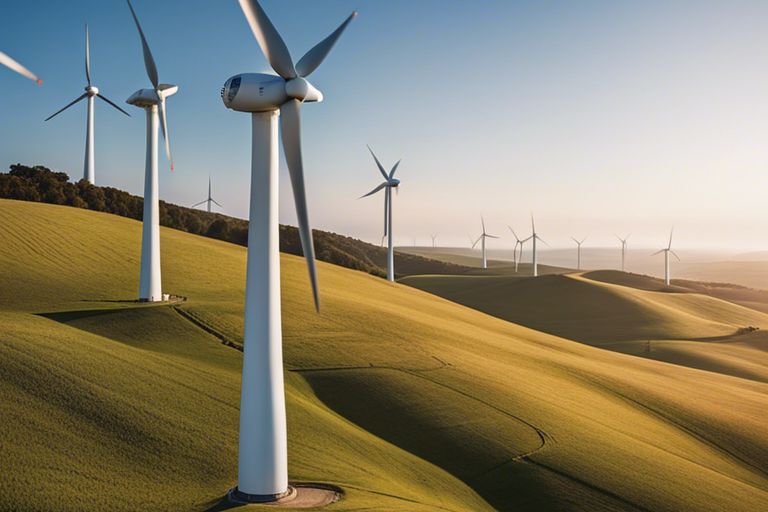
There’s a strategic science behind the placement of wind turbines to maximize their efficiency and output. Understanding the geographical factors that influence wind patterns is crucial in determining the best locations for these renewable energy sources. From coastal regions with strong sea breezes to open plains with consistent wind speeds, each location offers a unique potential for harnessing wind power. Additionally, the capacity of wind turbines varies depending on their size, design, and location, with some capable of generating enough electricity to power thousands of homes. Let’s explore the ideal spots for wind turbines and investigate into their impressive capacity for clean energy production.
Identifying Ideal Locations for Wind Turbines
Coastal Areas
For optimal wind turbine placement, coastal areas are ideal due to the consistent strong winds that blow in from the sea. These areas often experience unobstructed wind flow, making them prime locations for harnessing wind energy efficiently.
Mountainous Regions
To identify the best locations for wind turbines in mountainous regions, one must consider the topography and wind patterns. Mountains can act as natural barriers, causing wind to funnel through valleys, creating pockets of high wind speeds ideal for wind power generation.
Ideal locations within mountainous regions for wind turbines include ridge tops and gaps between mountains where the wind is channeled and accelerated. These areas can significantly increase the efficiency and capacity of wind energy production.
Assessing Wind Speed and Direction
Measuring Wind Speed
Now, with advancements in technology, measuring wind speed has become more accurate and efficient. Anemometers, either cup or sonic types, are commonly used to measure wind speed at various heights above the ground. These devices provide real-time data that helps determine the best locations for wind turbines based on consistent wind speeds.
Analyzing Wind Direction
Assessing wind direction is crucial for optimizing the efficiency of wind turbines. Wind vanes or wind socks are commonly used to determine the prevailing wind direction at a site. Analyzing historical wind direction data helps in positioning turbines to maximize their output by aligning them perpendicular to the prevailing winds.
Wind direction is a key factor in determining the placement of wind turbines. Turbines are most effective when facing into the wind, allowing the blades to capture the maximum energy. Understanding wind patterns and directions over time is imperative in harnessing the power of wind effectively for sustainable energy production.
Capacity of Wind Turbines
Megawatt Capacity
Some of the largest wind turbines installed today have a capacity of over 12 megawatts, generating clean energy to power thousands of homes. The size and capacity of wind turbines have significantly increased over the years, making them more efficient in harnessing wind energy.
Turbine Efficiency
Any discussion about wind turbines must include their efficiency in converting wind into electricity. Turbine efficiency is typically measured by the percentage of kinetic energy from the wind that is converted into electrical power. Higher efficiency means more energy output from the same amount of wind.
Turbine efficiency is a critical factor in determining the overall performance and cost-effectiveness of wind energy projects. Modern turbines are designed with advanced technology and aerodynamics to optimize efficiency and increase energy production.
Final Words
As a reminder, the best locations for wind turbines are typically in coastal areas, hilltops, and open plains where wind speeds are consistently high. The capacity of wind turbines can vary depending on factors such as the size of the turbine and the wind speed at the location. By strategically placing wind turbines in optimal locations with high wind speeds, we can maximize their energy output and contribute to a more sustainable future.